
What we cover here/ TLDR
How centralized systems reduce staff friction
Why built-in community tools matter for student engagement
What to look for in software that supports mental wellbeing
How Gen-Z expectations are reshaping housing technology
Why reducing admin work improves student outcomes
Student housing software should do more than check boxes. It should actively support students and give staff the tools and confidence to do their jobs well. In conversations with housing professionals across North America, one theme comes up again and again. Staff care deeply about student wellbeing but feel held back by systems that create friction instead of removing it. One professional told me, “I worry about my students’ wellbeing at night,” while another shared, “Our software frustrates staff so much that we lose focus on the students.”
Those conversations inspired this list. Here are the five things that matter most when choosing student housing software that truly supports your campus community.
1. Total Control Without the Headache
Managing housing is complex enough. Your software should simplify it, not add to the chaos. The right solution gives staff full control through intuitive, configurable tools that reduce training time and streamline daily work.
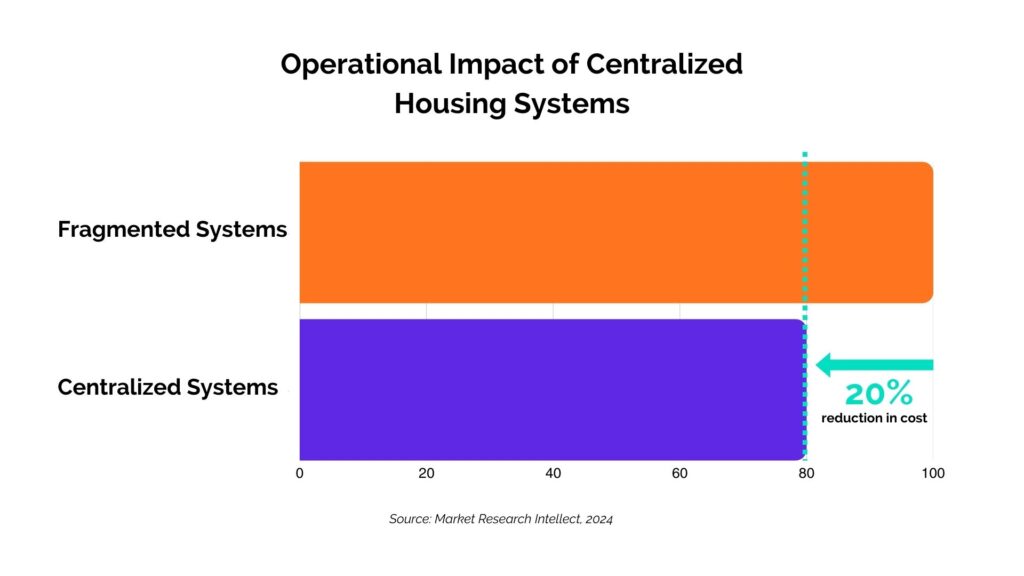
From room assignments and billing to maintenance requests and room audits, everything should be easy to manage in one place. In fact, institutions that adopt centralized systems report up to a 20 % reduction in operational costs by streamlining workflows and reducing redundancies. Mobile-friendly inspection tools allow staff to log damages in minutes instead of hours, and centralized workflows reduce errors and duplicate work.
Students also expect more control, especially when it comes to roommate selection. Modern housing software should support cross-platform roommate matching and self-selection, saving administrators time while giving residents more autonomy. Centralized operations mean staff can manage audits, transfers, and maintenance in real time, all from one system.
Key takeaways:
Centralized systems reduce errors, duplicate work, and staff frustration
Configurable tools shorten training time and improve day-to-day efficiency
Student self-service features save staff time while increasing autonomy
Real-time access enables faster decisions and smoother operations
2. Supporting Mental Wellbeing
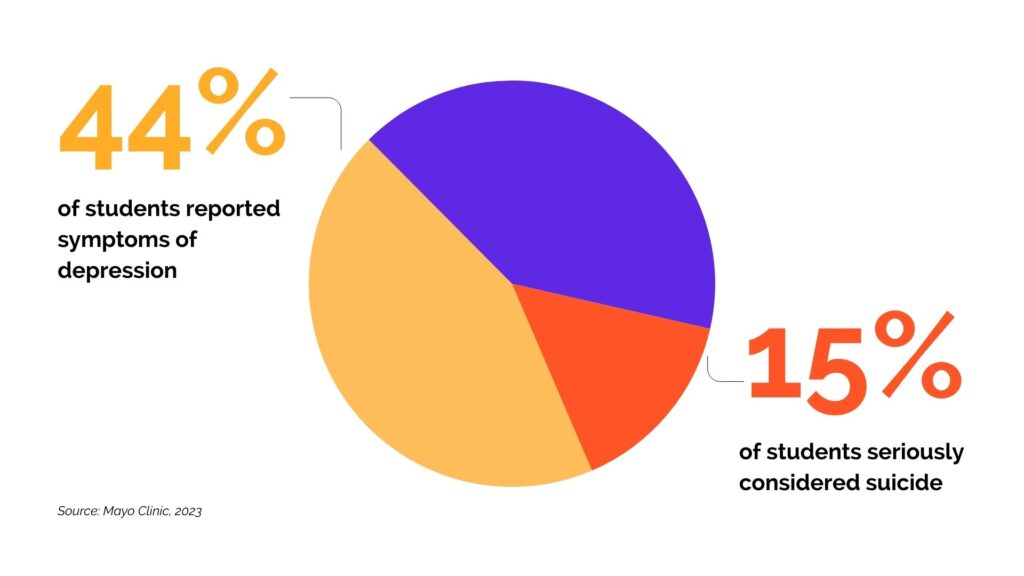
Student mental health is no longer a secondary concern. It is central to housing operations. The number of students disclosing mental health challenges has increased dramatically, with recent studies showing 44 percent reporting symptoms of depression and 15 percent seriously considering suicide in the past year.
Housing software should help staff respond, not react. Features that allow staff to record concerns on the go, document incidents securely, and manage cases collaboratively are essential. A centralized system makes it easier to involve multiple departments, track progress, and ensure students do not fall through the cracks.
With demand for student support services up more than 80 percent in the last five years, housing software must actively support safer, more responsive campuses.
Features to look for include:
Mobile tools for documenting concerns and incidents securely
Shared case management across housing and campus partners
Centralized records to prevent students from falling through the cracks
Systems designed for proactive, not reactive, support
3. Built-In Community, Not Just a Portal
Housing software plays a huge role in how connected students feel. When engagement tools are missing, students turn to third-party apps that are often unmoderated and unsafe.
A strong platform brings community-building features directly into the housing experience. Event calendars with locations and maps, ticketing with QR codes, moderated chat groups, and built-in polls and surveys help students stay informed and involved. These tools make participation easier for students while giving staff real insights into what is working and where support is needed.
When students feel connected, their satisfaction, belonging, and overall experience improve.
“Staff care deeply about student wellbeing, but too often their systems make the work harder instead of easier.”
Why this matters:
Integrated engagement tools keep students on trusted, moderated platforms
Centralized communication improves participation and awareness
Built-in feedback tools give staff real insight into student needs
Stronger connections lead to higher satisfaction and retention
4. Gen-Z Focused Technology

Today’s students expect technology that works the way they do. Outdated systems lead to frustration, slower response times, and public complaints on social media.
Modern housing software should be mobile-first and app-friendly, with simple ticket reporting, package delivery tracking, and direct chat with staff. Built-in surveys and polls help campuses adapt quickly to student needs, while mobile access ensures students and staff can engage anytime, anywhere.
Meeting Gen-Z expectations is not about being trendy. It is about being usable, fast, and intuitive.
Key benefits include:
Faster response times through mobile-first design
Improved student satisfaction with intuitive, app-like experiences
Real-time communication between students and staff
Greater adoption when tools match how students already use technology
5. Less Admin, More Student Time
Housing staff do not get into this work to manage paperwork. Yet slow systems and repetitive tasks often prevent meaningful student engagement.
The right housing software automates routine work, streamlines workflows, and frees staff to focus on what matters most: students. When staff spend less time chasing tasks, they have more time to respond quickly, build relationships, and create supportive communities.
Efficient software transforms staff from overwhelmed administrators into empowered mentors, improving both staff satisfaction and student outcomes.
Why this matters:
Automation reduces repetitive administrative tasks
Streamlined workflows free staff to engage meaningfully with students
Faster task completion leads to quicker student support
Higher staff satisfaction supports retention and morale
Why It Matters
Choosing student housing software is a decision that shapes your campus experience. When the right tools are in place, staff feel supported and students feel seen. The result is a stronger, safer, more connected community.
Powerful Software at a Transparent Price
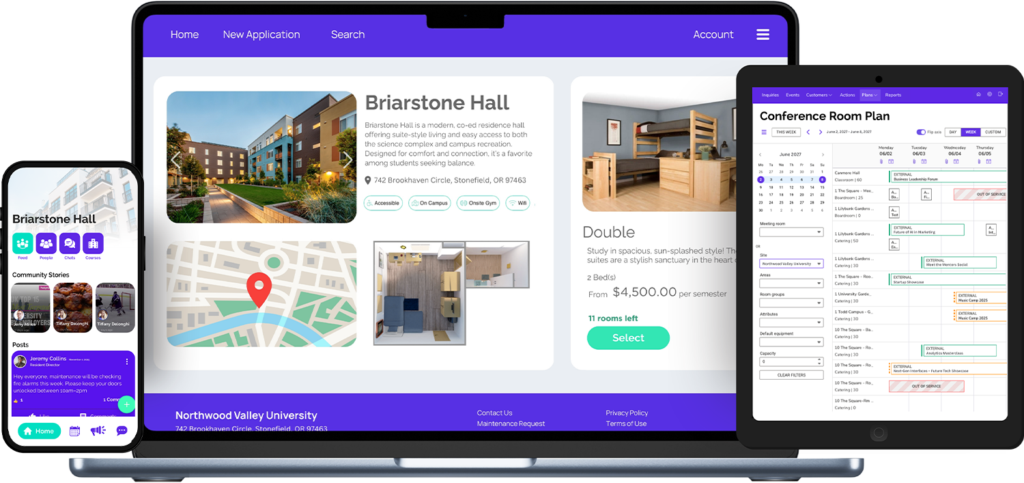
KxWelcome by Kinetic is built to meet today’s challenges and tomorrow’s needs. With deep customization, a strong focus on student wellbeing, and powerful reporting tools, KxWelcome helps staff respond proactively instead of reactively.
Backed by the Volaris Group, KxWelcome offers long-term stability and support, with no risk of being sold. With over 25 years of experience behind the platform, we deliver more than software. We deliver peace of mind.
See What Modern Housing Software Looks Like
If you want to see how KxWelcome can transform your housing operations, we would love to show you.
Let’s talk about your challenges and build a thriving student community together.